Have you ever considered what the personal experiences of a person with multiple needs can be while being detained in a hospital? For someone who experiences the world in a unique way, being placed in an environment shaped by restrictive beliefs can profoundly narrow their sense of possibility and safety. According to our White Papers[RK1] , 66.7% of the respondents found hospitals unsupportive. That figure alone highlights why our efforts to bring people into their homes are urgent and consistent.
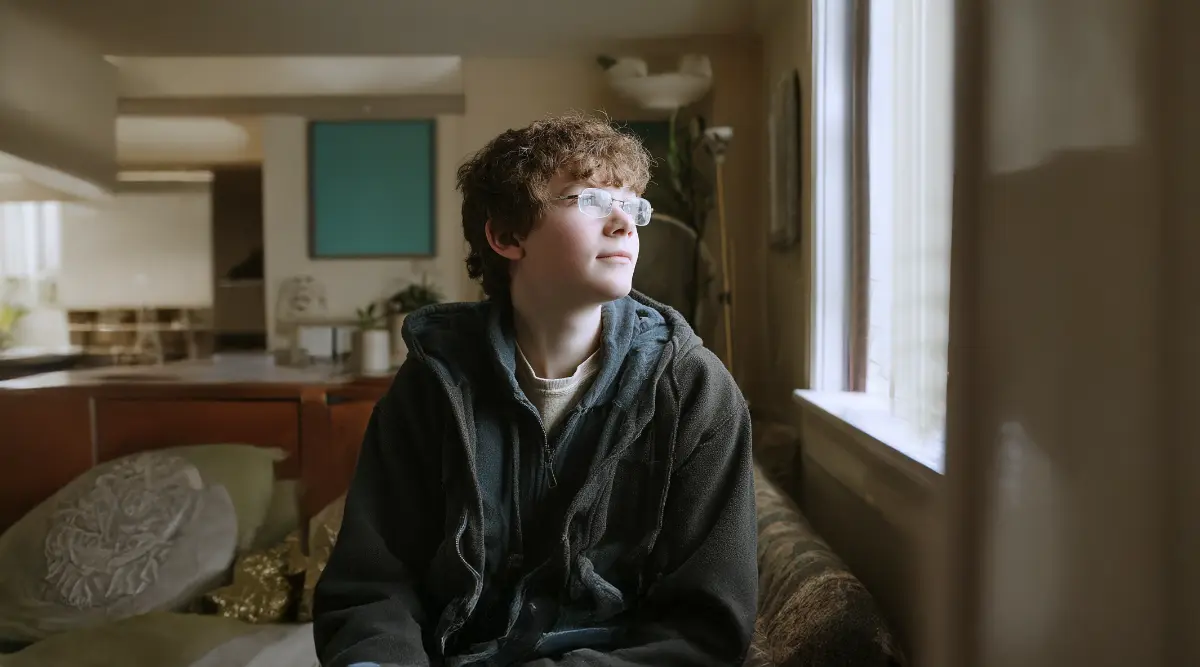
Now, we want you to meet J. He is an autistic young boy who also lives with a learning disability, facing significant challenges during their time in an inpatient unit. But J once lived in his own home, with 2:1 support. Following a crisis, he was admitted to the hospital. Due to a lack of local inpatient beds, J was placed in a unit far from their family, receiving visits from social work teams only every six weeks.
Imagine the heartache of knowing someone you love is miles away, unable to have you by their side when they need you most. This was the painful reality for J’s family. And, sadly, they’re not alone. Across the UK, we’ve come across families who have had to travel as far as 300 miles just to visit their loved ones. These long-distance placements often come at a high emotional cost, causing difficult and stressful consequences for the whole family.
During this period, J’s behavioural challenges escalated, resulting in 4:1 support, staff burnout and a potential new placement in a medium secure unit.
Upon recommendation from a fellow colleague in social care, our Community Transition Service (CTS) has been offered as an alternative solution, and today, J lives in a supportive and understanding environment, reclaiming a sense of belonging, and looking forward to a fresh start in life.
Highlights
- Improved behaviour: Significant reduction in behavioural issues after tailored, person-centred support was implemented.
- Enhanced support system: A seamless handover to a new, better-prepared provider ensured ongoing stability and care.
- Cost-effective care: Avoided placement in a medium secure unit and achieved substantial financial savings.
Strategies Used
- Holistic, person-centred approach: Individualised assessment and planning through a multidisciplinary team, including PBS specialists and community nurses.
- Phased transition: Relationship-building over four months, including personalised staff matching and continuity of support.
- Collaborative knowledge sharing: Nurseline shared key insights to help the new provider recruit and train an effective care team.
- Proactive planning: The CTS team worked with J’s existing support network and family to develop a detailed and informed care strategy.
Outcomes
- Avoided hospital re-admission: J remained in the community rather than moving to a medium secure unit.
- Stability and quality of life: Improved daily living through tailored community support.
- Long-term cost reductions compared to continued inpatient care.
- Empowered living: J reclaimed a sense of belonging, hope, and independence.