Each person deserves to have their needs and aspirations fulfilled and live a life that reflects their own values and lifestyle. But somehow, the system too often falls short for people with multiple needs in complex situations, leaving significant gaps in support. No one should be excluded from this narrative.
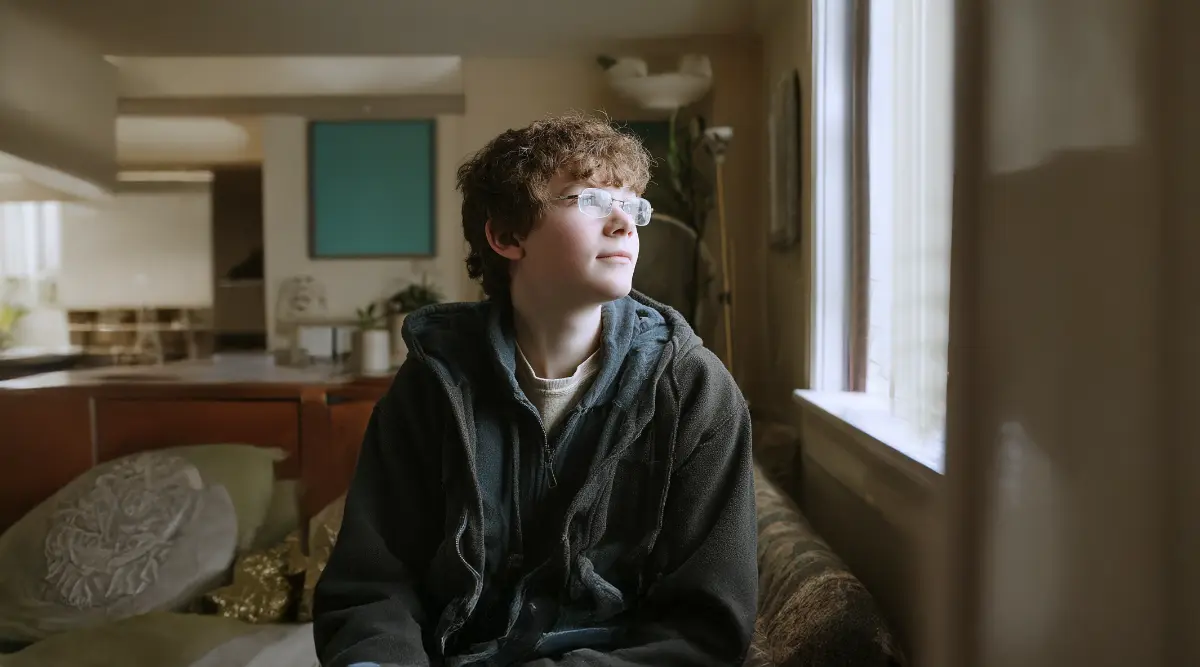
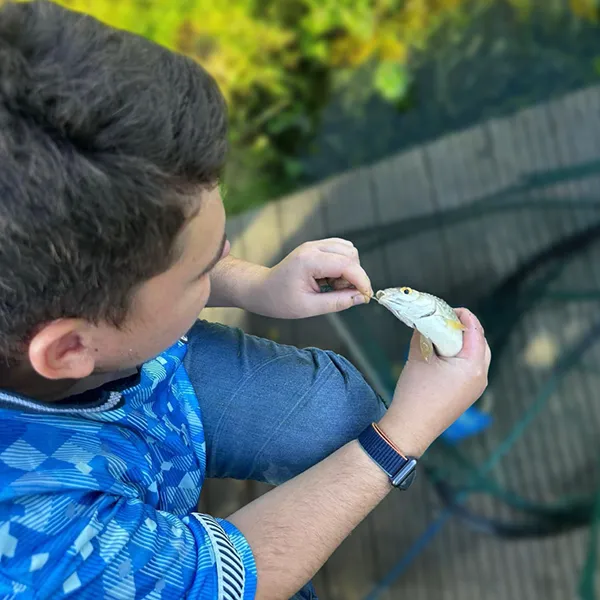
Take Luke, for example, a young autistic boy experiencing challenges in communication. When we first met Luke, he had gone through multiple failed placements. Several care providers had withdrawn their support, primarily due to property damage. We met Luke, got to know his priorities in life, his favourite hobbies, his communication style, everything that was truly important to him, so that he can gain a new sense of stability.
When supporting people focused on their strengths and actual needs, with a care team that is patient and consistent, progress will follow. Today, Luke lives in his own home and accomplishes goals that were once considered unattainable.
Take a quick look at the highlights of Luke’s care journey with Nurseline Healthcare, the strategies our team used and the positive outcomes that followed.
Highlights
- Luke lives in a stable and supportive home tailored to his needs.
- Visual tools and social stories helped Luke express himself better and have significantly improved communication.
- Due to consistent personalised care, Luke’s behaviours of concern have decreased.
Strategies Used
- Continuous care involving the same trusted 4–5 support workers for better outcomes.
- Collaborative transition planning, by working with existing providers and authorities to find a suitable home and match with a reliable care provider.
- Used visual communication methods such asmaps, pictures, and social stories to reduce anxiety and increase a more profound understanding during transitions.
- Positive role modelling: Experienced team guided the new care provider by demonstrating practical support strategies.
- Personalised transitions: Planned move using familiar staff, thoughtful environmental changes, and even favourite meals to ensure comfort.
Outcomes
- Luke has experienced a well-planned and successful transition to his new home.
- Luke’s needs and aspirations have improved since the staff adapted to Luke’s unique communication style, improving daily interactions.
- Reduced behaviours of concern and improved emotional well-being through proactive support.
- Luke’s care plan significantly evolved, shaped by the information gathered during the transition.